How a Torticollis Pillow Helped My Son, Ronan’s, Torticollis Journey
- Genesis Scott
- Jan 16
- 4 min read
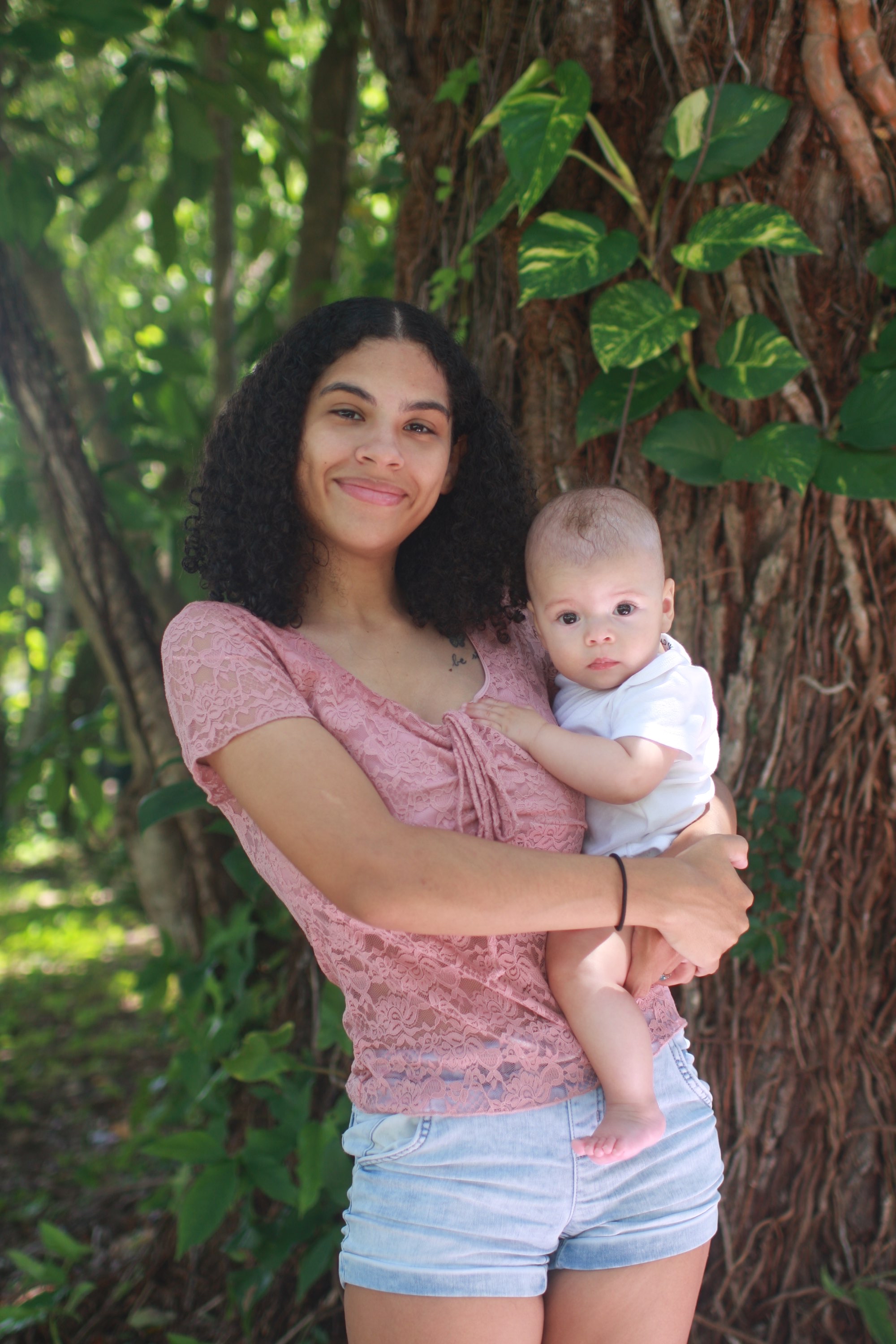
Updated: Jan 24
When Ronan was born, nothing immediately stood out as “wrong.” But as the weeks passed, I began noticing something I couldn’t quite ignore.
His body consistently slanted to the right. It wasn’t dramatic. It didn’t look alarming at first glance. But it was always there. Around two to three months old, I realized there was no real progress in him naturally stretching or straightening out as he grew.
I tried to reassure myself. Babies are curled. Babies are uneven. Babies grow out of things.
Still—something didn’t feel right.
Trusting My Instincts When Others Didn’t
When I finally voiced my concerns, the response was almost immediate and unanimous:
“You’re diagnosing him.”
“That’s normal.”
“Just wait it out.”
I felt nervous and upset, but also deeply conflicted. I wasn’t trying to label my baby or jump to conclusions—I was simply observing him. What made it harder was that everyone around me seemed confident there was nothing to worry about, while my intuition refused to quiet.
That disconnect left me feeling confused, second-guessing myself, and questioning whether I was overthinking. But even with reassurance from others, I couldn’t shake the feeling that waiting wasn’t the right move.
Eventually, after continuing to advocate and showing pictures, Ronan’s pediatrician listened.
Getting Answers: A Torticollis Diagnosis
Ronan was officially diagnosed with torticollis by his pediatrician. At the time, there was no flat spot, thankfully—but because I had raised concerns, we were sent for DSi imaging to assess his head shape and determine whether helmet therapy might be necessary.
Hearing the diagnosis brought mixed emotions. Relief that I wasn’t imagining things. Fear because now I had to figure out what came next.


The Feeding Struggle That Suddenly Made Sense
Looking back, one of the earliest and most telling signs had been feeding.
From the beginning, Ronan struggled to latch on my right breast. No matter how we adjusted positioning, it never felt quite right. Feeding was often painful, and I dealt with abrasions on my nipples. To make nursing possible, I relied on nipple shields until Ronan was about five months old.
A lactation consultant later shared that his sucking reflex on the left side of his mouth wasn’t fully developed. That information was a turning point. It helped everything fall into place.
His feeding challenges weren’t isolated—they were connected to how his body was functioning as a whole.

When Access to Physical Therapy Isn’t an Option
Physical therapy is often recommended for torticollis, but our reality made that difficult.
We were unable to find a local physical therapist who accepted Medicaid, and suddenly I was left trying to navigate this on my own. That was overwhelming. There was guilt. There was frustration. And there was the weight of knowing my baby needed support while access to care felt out of reach.
So I did what many parents end up doing when systems fall short:I researched.I learned.I observed my baby closely.
And I did the best I could with what I had.

Introducing the Torticollis Pillow (Safely)
Through my own research, I discovered the POWYS torticollis pillow. I want to be very clear here: this pillow was never used during sleep and was only used during supervised, awake time.
We began using it when Ronan was around three to four months old, during short rest periods while he was awake. It wasn’t a cure or a replacement for therapy—it was simply a supportive positioning tool that helped his body settle into a more neutral alignment.
At the same time, I was committed to doing gentle at-home stretches three times a day, always right before feedings. Combining movement with feeding felt intentional and supportive for his body.

Small Shifts That Added Up
The changes didn’t happen overnight—but they were noticeable.
First, I felt less resistance when turning his head.Then, his body began to feel more balanced when I held him.Over time, his tilt softened. His movements became freer.
And then—feeding changed too.
Feeding Resolution That Confirmed Everything
Around five months old, feeding finally began to feel right.
For the first time, Ronan was able to latch without it hurting or causing abrasions on my nipples.
Even more importantly, he could latch on my right breast without a nipple shield.
Looking back, I truly believe his body tension and tilt were directly impacting his latch. Feeding often felt effortful for him. He seemed lazier when latching—not because he wasn’t capable, but because his body wasn’t working efficiently.
As his alignment improved, feeding became easier for both of us. His mouth could organize better. His body stopped fighting the position. And I no longer had to rely on tools just to get through a feed comfortably.
That timing wasn’t a coincidence.
Babies don’t feed with just their mouths—they feed with their entire body.
What This Journey Taught Me
This experience reshaped how I view babies, feeding, and parental intuition.
I learned that:
Torticollis doesn’t always look severe or obvious.
Feeding challenges can be an early clue that something deeper is going on.
Parents often notice subtle signs long before they’re validated.
And families navigating care without easy access to services deserve support—not judgment.
A Gentle Safety Reminder
If you’re exploring supportive tools like torticollis pillows:
Use them only during supervised, awake time
Never use them for sleep
View them as one part of a broader plan that may include stretches, positioning, and professional care when available
Every baby is different. What helped us may not be the right fit for every family—and that’s okay.
To the Mom Who’s Just Starting to Wonder
If you’re a mom who is just starting to notice signs and feels unsure, I want you to know this:
You are not imagining things.
You are not overreacting.
And you are allowed to trust what you see.
You don’t need to panic—but you don’t need to silence yourself either. Ask questions. Take photos. Seek support. Early awareness can make a meaningful difference.
Ronan’s journey reminded me that gentle tools, consistent care, and a parent’s intuition can work together—even when the path isn’t simple.
And if this is where you are right now, you are not alone 🤍


Comments