Breastfeeding Basics: Essential Tips for New Mothers
- Genesis Scott
- Jul 30, 2025
- 5 min read

Updated: Apr 17

Breastfeeding can be one of the most rewarding experiences for new mothers. It is a natural way to nourish your baby and create a strong bond. However, it can also come with challenges. Many new mothers have questions and concerns about how to get started, what to expect, and how to make the experience as smooth as possible. In this post, we will cover essential tips to help you navigate the world of breastfeeding with confidence.
Understanding the Benefits of Breastfeeding
Breastfeeding provides incredible benefits for both new mothers and their babies. For mothers, it reduces the risk of certain cancers, such as breast and ovarian cancer, thanks to hormonal changes during lactation. It also aids in postpartum recovery, helping the uterus return to its pre-pregnancy size more quickly and supporting weight loss by burning extra calories. Emotionally, breastfeeding strengthens the bond between mother and baby, releasing oxytocin, which helps reduce stress and promote feelings of well-being.
For babies, breast milk is the gold standard of nutrition, offering the perfect balance of vitamins, minerals, and antibodies that support healthy growth and development. It provides essential protection against illnesses, as it boosts the baby’s immune system and reduces the risk of infections, allergies, and even sudden infant death syndrome (SIDS). Breastfed babies are less likely to develop chronic conditions like asthma, obesity, and type 2 diabetes later in life. Breastfeeding also supports a baby's cognitive development. Studies have shown that children who were breastfed tend to have higher IQs and better brain development overall. Additionally, the physical closeness during breastfeeding promotes emotional bonding and a sense of security for the baby. Breastfeeding is an incredibly beneficial practice for both mother and baby, offering health protection, emotional bonding, and a strong foundation for lifelong well-being.
Getting Started with Breastfeeding
Starting your breastfeeding journey can feel overwhelming, but it doesn't have to be. Here are some practical steps to help you get started:
Find a Comfortable Position: Choose a position that feels comfortable for both you and your baby. Common positions include the cradle hold, cross-cradle hold, and side-lying position. Experiment to see what works best.
Ensure a Good Latch: A proper latch is crucial for effective breastfeeding. Your baby's mouth should cover not just the nipple but also a good portion of the areola. If you feel pain, gently break the latch and try again.
Feed on Demand: Newborns typically feed every 1.5 to 3 hours. Watch for hunger cues, such as rooting or sucking on their hands. Feeding on demand helps establish your milk supply.
Stay Hydrated and Nourished: Drink plenty of water and eat a balanced diet. Your body needs extra calories to produce milk.
Seek Support: Don’t hesitate to ask for help. Whether it’s from a lactation consultant, a friend, or a family member, support can make a big difference.
Common Challenges and Solutions
While breastfeeding is natural, it can come with its own set of challenges. Here are some common issues and how to address them:
Sore Nipples: This is a common issue for new mothers. Ensure your baby is latching correctly. Applying lanolin cream can also help soothe sore nipples.
Engorgement: If your breasts become overly full, it can be uncomfortable. Try feeding more frequently or expressing a little milk to relieve pressure.
Low Milk Supply: If you are concerned about your milk supply, try to nurse more often. Skin-to-skin contact can also help stimulate milk production.
Clogged Ducts: If you experience a painful lump in your breast, it may be a clogged duct. Continue to nurse and apply warm compresses to help clear the blockage.
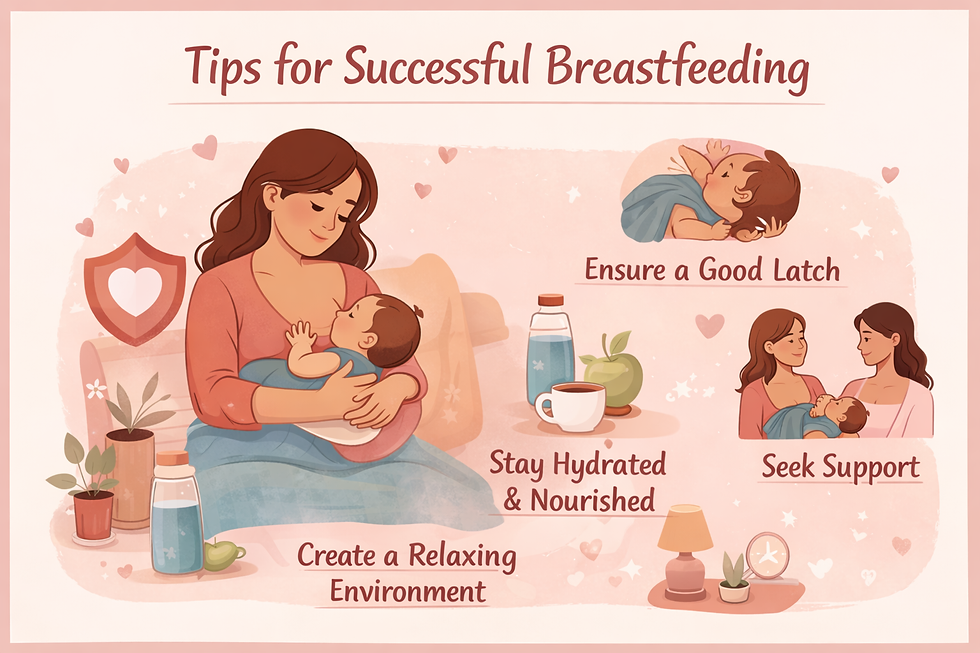
Tips for Successful Breastfeeding
To make your breastfeeding experience more enjoyable, consider these helpful tips:
Create a Relaxing Environment: Find a quiet, comfortable space to nurse. Soft lighting and calming music can help you relax.
Use a Nursing Pillow: A nursing pillow can provide support and help position your baby correctly.
Practice Skin-to-Skin Contact: Holding your baby close can encourage them to latch and feed more effectively.
Keep Snacks Handy: Keep healthy snacks nearby to maintain your energy levels during feeding sessions.
Be Patient: It may take time for both you and your baby to get the hang of breastfeeding. Be patient with yourself and your little one.
When to Seek Help
If you encounter difficulties that you cannot resolve on your own, it is important to seek help. Here are some signs that you may need assistance:
Persistent pain during breastfeeding
Concerns about your baby's weight gain
Difficulty latching or feeding
Emotional distress related to breastfeeding
Lactation consultants are trained professionals who can provide guidance and support tailored to your needs.
The Role of Partners in Breastfeeding
Partners play a crucial role in the breastfeeding journey. Here are some ways they can support new mothers:
Emotional Support: Offer encouragement and reassurance. A simple "You are doing great" can boost confidence.
Help with Household Tasks: Taking care of chores can allow the breastfeeding mother to focus on nursing and resting.
Attend Appointments Together: Join your partner at lactation consultations or pediatric appointments to stay informed and involved.
Bond with the Baby: While the mother is breastfeeding, partners can bond with the baby through skin-to-skin contact or by holding them.

Breastfeeding and Returning to Work
Many mothers worry about how to continue breastfeeding after returning to work. Here are some strategies to help you manage:
Plan Ahead: If possible, start pumping and storing milk before you return to work. This will give you a supply to use while you are away.
Communicate with Your Employer: Discuss your breastfeeding needs with your employer. Many workplaces are supportive and can provide accommodations.
Use a Breast Pump: Invest in a good quality breast pump. This will allow you to express milk while at work.
Schedule Breaks: If your workplace allows, schedule breaks to pump milk. This will help maintain your milk supply.

The Importance of Self-Care
Taking care of yourself is essential while breastfeeding. Here are some self-care tips:
Rest When You Can: Sleep when your baby sleeps. This can help you recharge.
Stay Hydrated: Drink plenty of water throughout the day to stay hydrated.
Connect with Other Mothers: Join a breastfeeding support group or connect with other mothers. Sharing experiences can provide comfort and encouragement.
Practice Mindfulness: Take time for yourself. Whether it’s reading a book or taking a walk, self-care is important for your well-being.
Celebrating Your Journey
Breastfeeding is a unique journey for every mother. Celebrate your accomplishments, no matter how small. Whether you breastfeed for a few weeks or several months, each moment is special.
Remember, it is okay to have ups and downs. Every mother’s experience is different, and what works for one may not work for another. Trust your instincts and do what feels right for you and your baby.
As you embark on this beautiful journey, remember that you are not alone. Many resources are available to support you. Whether it is through friends, family, or professional help, there is a community ready to assist you.
Breastfeeding can be a fulfilling experience that strengthens the bond between you and your baby. Embrace the journey, trust yourself, and enjoy the special moments that come with it.




Comments